Your password was included in your Etsy download confirmation.
Social Anxiety Lab 🧠
Page 1 of 34
Program Menu
GO TO PAGE
SOCIAL ANXIETY LAB JOURNEY
Phase 0 · Getting StartedIN PROGRESS
Welcome to Social Anxiety Lab
What's Your Name?
The Brave Promise
Phase 1 · UnderstandingNOT STARTED
What Is Social Anxiety?
You Are Not Alone
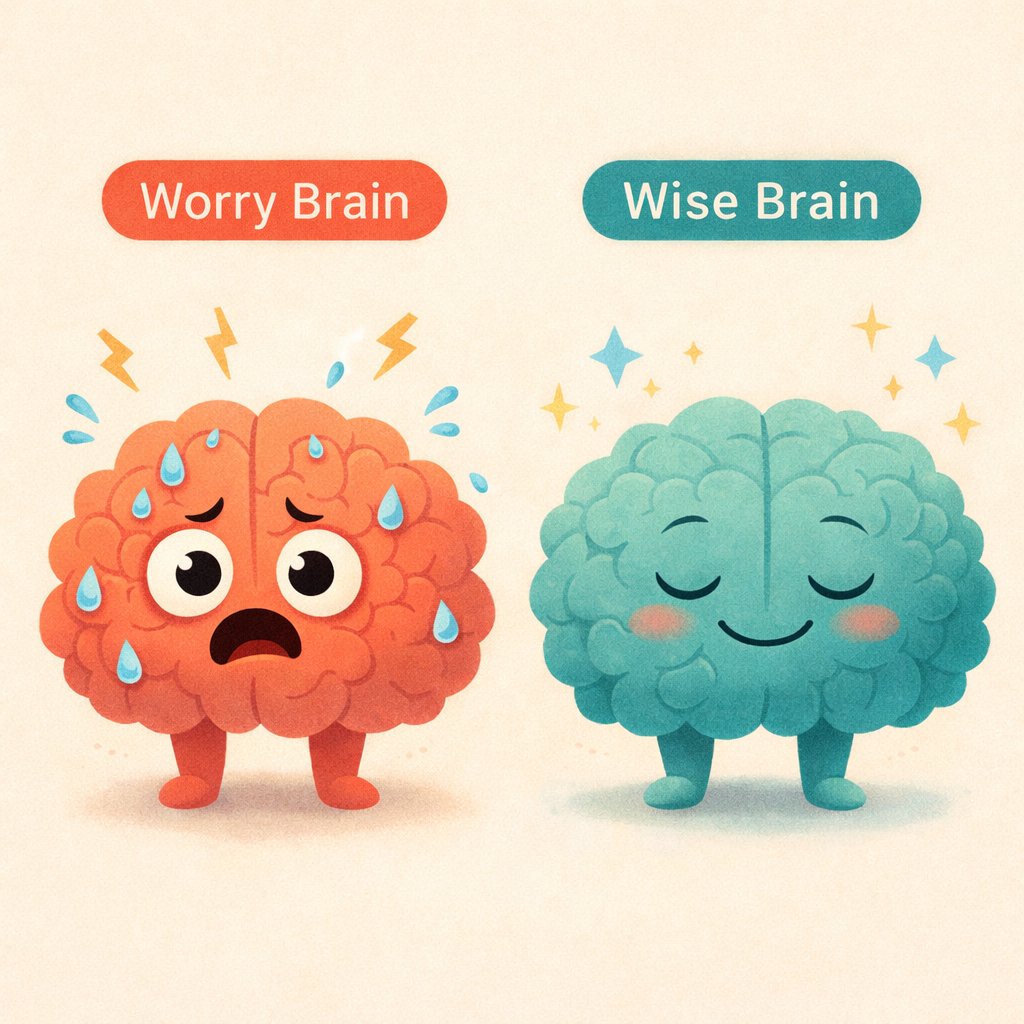
Two Voices Inside You
Where Do You Feel It?
Your Anxiety Fingerprint
What Triggers Your Worry?
Phase 2 · Thought TrapsNOT STARTED
The Worry Loop
Become a Thought Detective
Catastrophe or Concern?
The Spotlight Illusion
Rewrite the Thought
Phase 3 · Calm ToolkitNOT STARTED
Why Calm Comes First
Tool 1: Box Breathing
Tool 2: 5-4-3-2-1 Ground
Tool 3: Safe Sentence
Toolkit Checkpoint
Phase 4 · Brave StepsNOT STARTED
What Is a Brave Step?
Scenario: Raising Your Hand
Scenario: Meeting Someone New
Scenario: Feeling Left Out
Scenario: Making a Mistake
Build Your Brave Ladder
Your First Brave Step
Phase 5 · RelationshipsNOT STARTED
The Friendship Truth
Conversation Starters
When to Ask for Help
A Note to Yourself
Phase 6 · CompletionNOT STARTED
Your Brave Check-In
What You've Learned
Journey Complete
Your Certificate
Welcome Back! 👋
You were making progress. Pick up where you left off?
Brave Feelings Lab
Benne Hart
Mentor at Brave Feelings Lab
Social Anxiety Lab
A brave kid's guide to feeling okay around people — even when it's hard.
34
Screens
6
Phases
∞
Courage
Benne Hart
Mentor · Brave Feelings Lab
Hi! I'm Benne. Feeling nervous around people is something many kids experience — and there are real tools that actually help. I'll guide you through every step. Ready?
Phase 0 · Getting Started
What's Your Name?
This program is personal. Let's start with you.
Benne Hart
I'll use your name throughout — it helps to know I'm talking to you, not just anyone.
Phase 0 · The Brave Promise
Make the Brave Promise
Before we begin, let's set the tone. Tap the seal when you're ready to commit to yourself.
👆 Tap the seal to make your promise
I will try, even when it feels hard.
I will be honest about how I feel.
I will be kind to myself along the way.
Phase 1 · Understanding
What Is Social Anxiety?
🧠
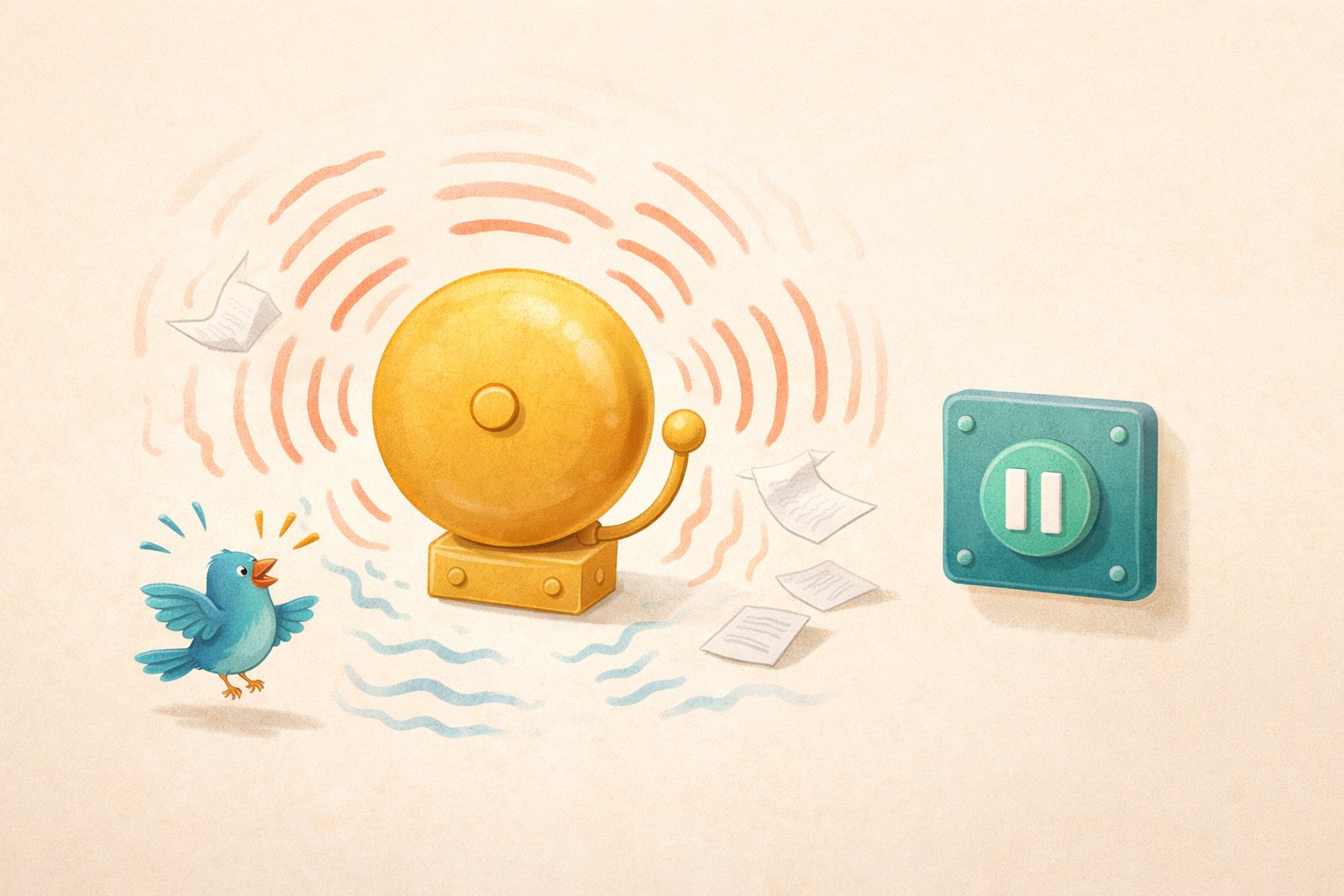
Your Brain's Alarm System
Social anxiety happens when your brain's threat-detection system fires in social situations — even safe ones. It's your brain trying to protect you from embarrassment or rejection. It's not a character flaw. It's a pattern that can be changed.
📊
Very common. Many young people experience anxiety in social situations, making it one of the most frequent concerns children bring to counselors.
🔧
Learnable. CBT-based approaches — which this program is built on — have strong evidence for helping children manage social anxiety.
💪
Changeable. Every brave step you take gives your brain new evidence that social situations are safer than it thought.
Benne Hart
Social anxiety isn't something wrong with you. It's something happening in your brain — and brains can learn new patterns.
Phase 1 · Understanding
You Are Not Alone
Tap each card to discover the truth about social anxiety.
🤔
Very common
Social anxiety is one of the most frequently reported concerns in childhood
💭
Most people
feel nervous in some social situations — it's part of being human
🌟
It improves
with the right tools and practice — this is well-supported by research
🧩
You started
in exactly the right place — awareness is the first step
Tap each card to reveal ↑
Phase 1 · Understanding
Two Voices Inside You
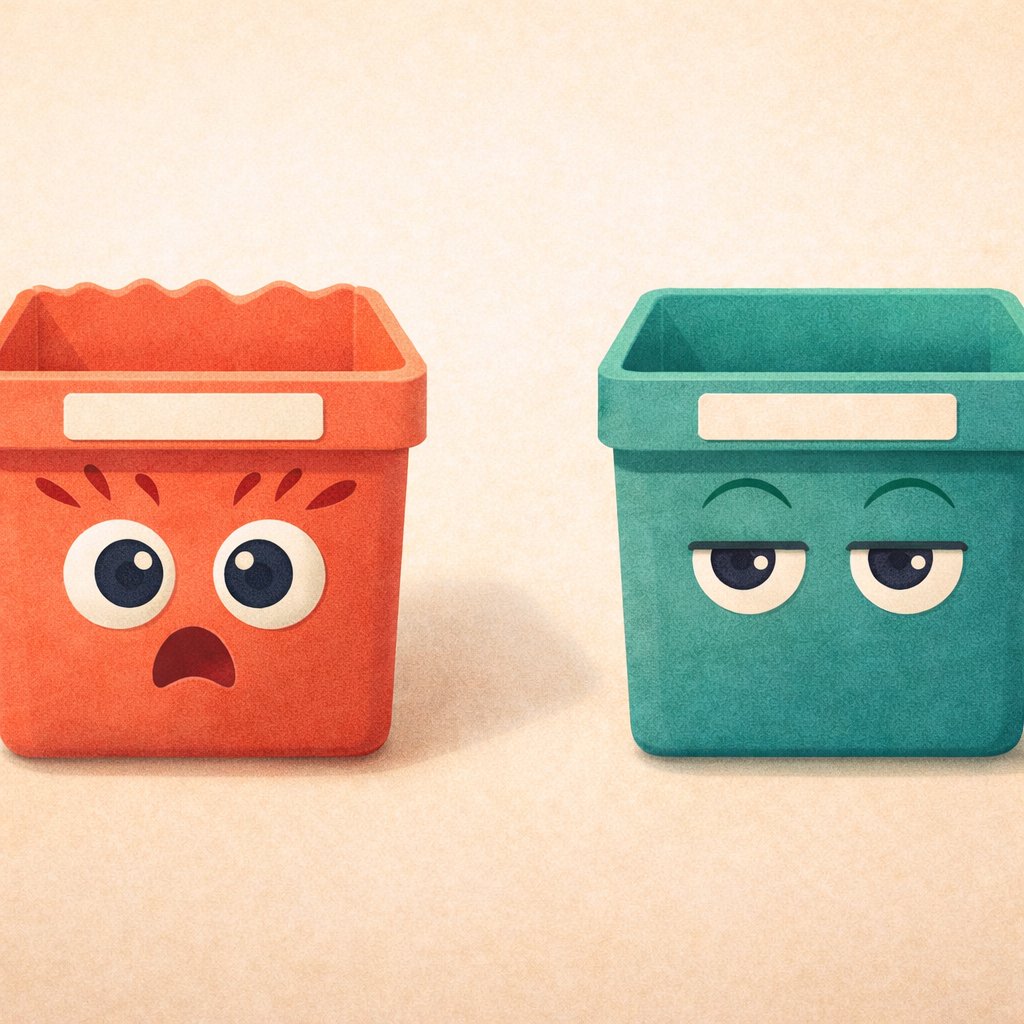
You have two ways of thinking about any social situation. Understanding both is key.
🔴
Worry Brain is loud, fast, and dramatic. It focuses on worst-case outcomes and sends the alarm signal. It's trying to protect you — just too aggressively.
🟢
Wise Brain is calm, slower, and more accurate. It asks "what is actually likely here?" and helps you evaluate situations realistically.
Benne Hart
The goal isn't to silence Worry Brain — it just wants to keep you safe. The goal is to help Wise Brain speak up more clearly.
Phase 1 · Understanding
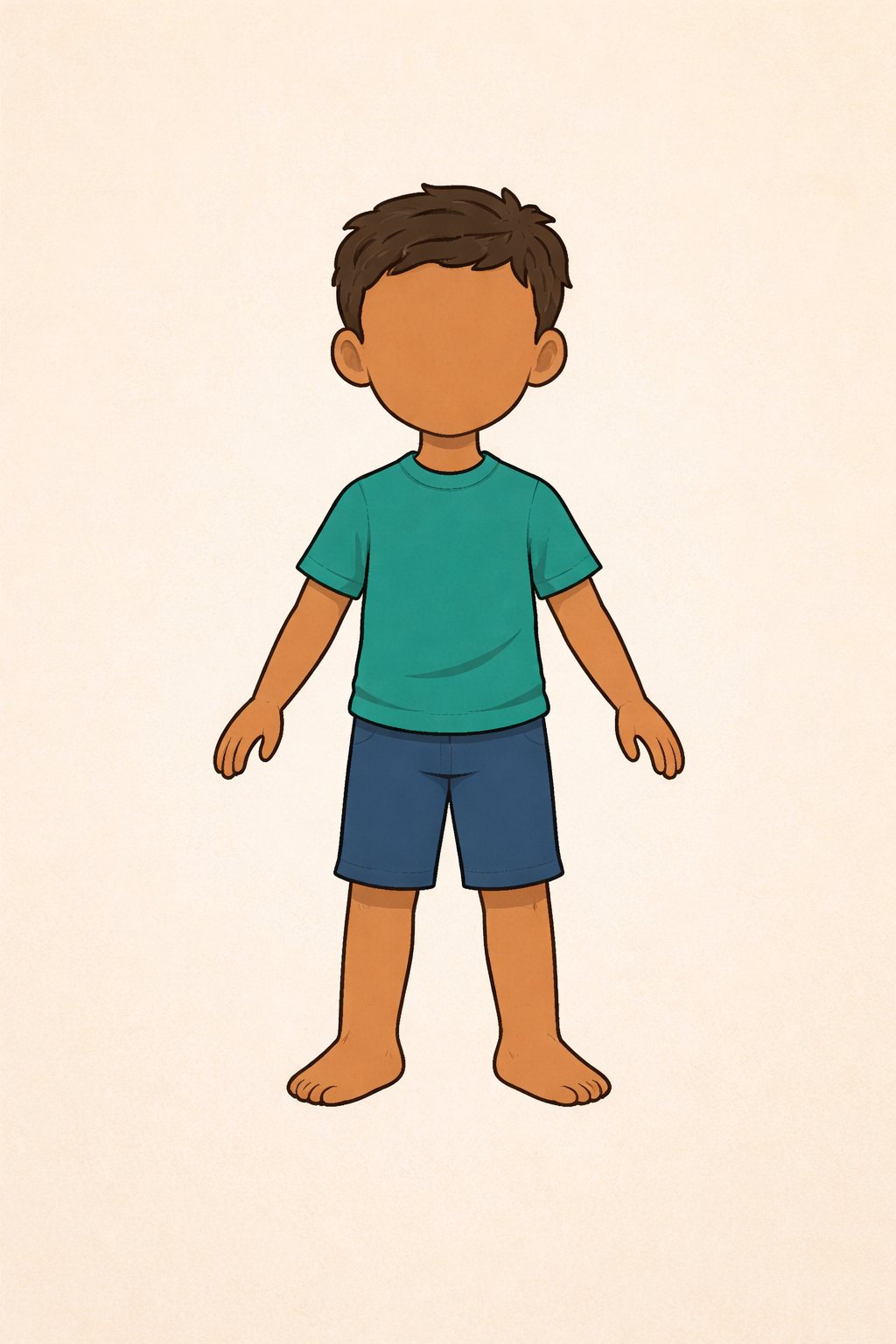
Where Do You Feel It?
Anxiety always shows up somewhere in the body. Tap where you notice it most. (Select at least one.)
Areas selected
Tap the body to begin...
Benne Hart
These sensations are your body's way of signaling. Knowing them helps you recognize anxiety early.
Phase 1 · Understanding
Your Anxiety Fingerprint
No two people experience anxiety exactly the same way. Here's what yours looks like.
Your Personal Pattern
Based on what you shared, your anxiety tends to show up in these ways:
Body signals
Nervous energy
Racing thoughts
Social worry
Why your pattern matters
Recognizing your own pattern means you can spot anxiety before it takes over — and reach for the right tool sooner.
Phase 1 · Understanding
What Triggers Your Worry?
Tap every situation that makes you feel nervous. Select at least one — this shapes your program.
Raising my hand in class
Meeting new people
Being called on
Eating around others
Performing or presenting
Making phone calls
Feeling left out
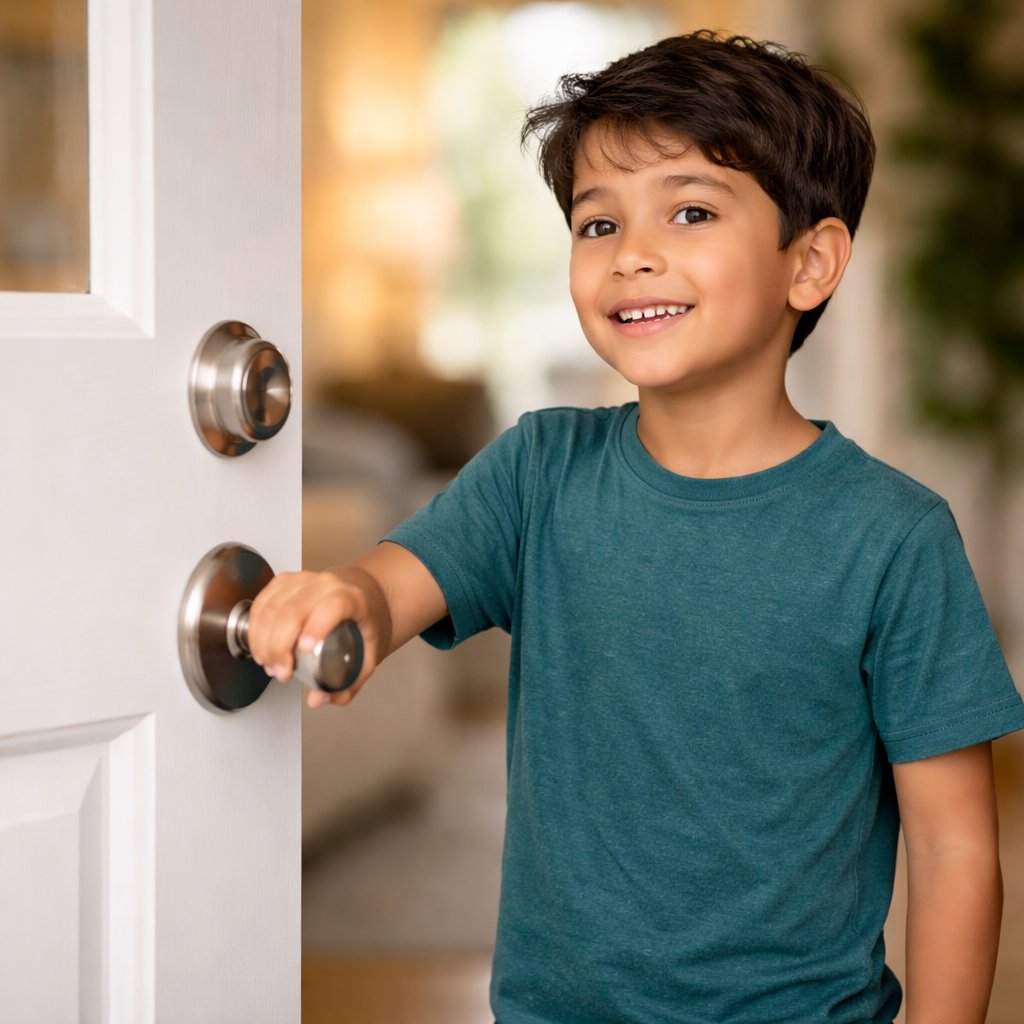
Answering the door
Making mistakes publicly
0 selected
Phase 2 · Thought Traps
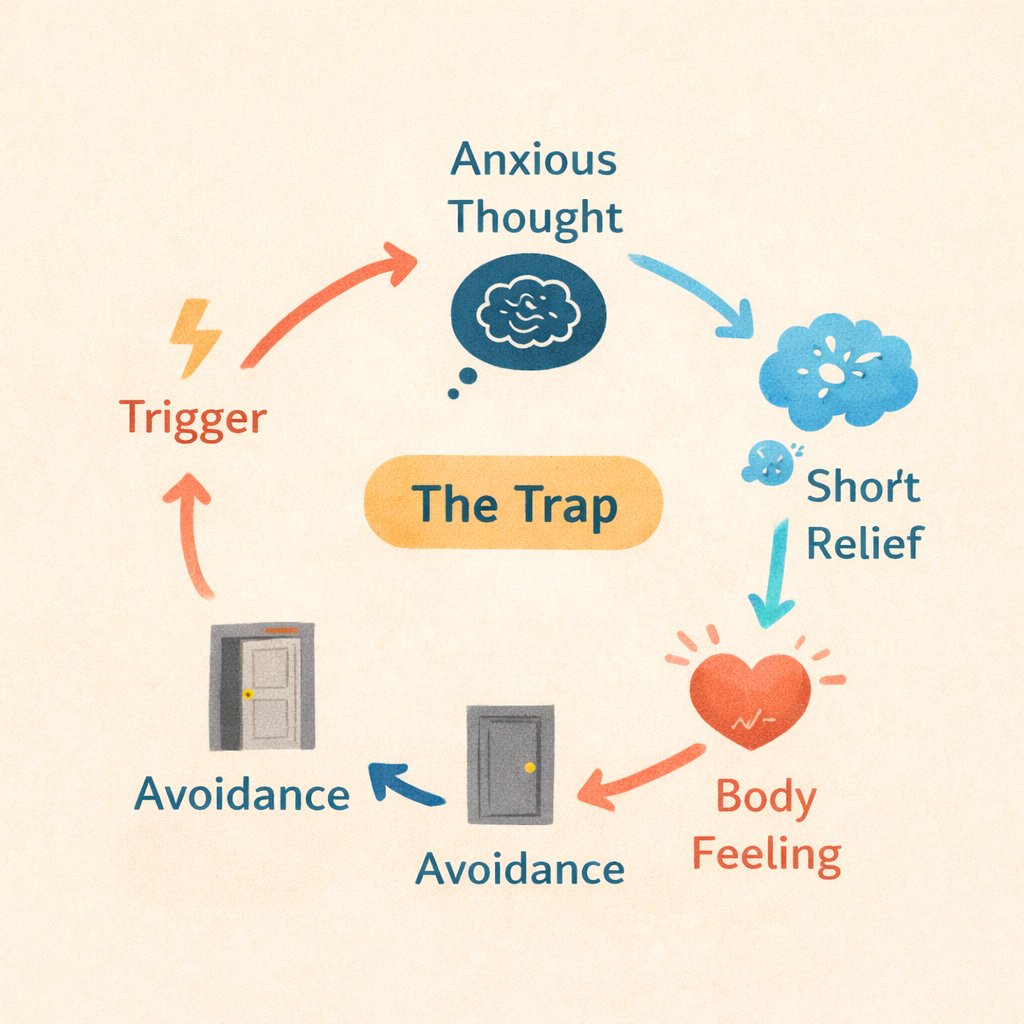
Meet the Worry Loop
This is the cycle that keeps anxiety going. Seeing it clearly is the first step to breaking it.
How the loop works
A trigger fires the alarm. Your brain imagines worst-case outcomes. Your body reacts. You avoid the situation to find relief. The relief is real — but it teaches your brain that the situation was genuinely dangerous. Next time the alarm fires louder. That's the trap.
Benne Hart
Avoidance feels safe in the moment. But each time we avoid, the fear grows a little bigger. The exit from this loop is facing it — one small step at a time.
Phase 2 · Thought Traps
Become a Thought Detective
When anxiety sends a scary thought, a good detective doesn't just accept it — they investigate.
Benne Hart
Detectives don't accept the first story they hear. They ask questions. Let's do exactly that with anxious thoughts.
1
Is this thought definitely true? Or does it just feel true right now? Feelings are real — but feelings are not the same as facts.
2
What's the absolute worst that could actually happen? When we say it out loud, the worst case is usually far more survivable than it felt inside our head.
3
What is the most likely thing that will actually happen? Not the worst case — the realistic case. This is usually very ordinary, and very manageable.
Phase 2 · Thought Traps
Catastrophe or Concern?
Sort each worry. Is it a true catastrophe — or just a real concern that's been exaggerated?
"If I answer wrong, everyone will laugh at me forever."
"I feel nervous about speaking in front of people."
"Nobody will ever want to be my friend."
Phase 2 · Thought Traps
The Spotlight Illusion
Your brain believes everyone is watching and judging you. Here is what is actually happening.
The Truth About Attention
Research on the "spotlight effect" consistently shows people overestimate how much others notice and remember their actions. Everyone is the star of their own mental movie — focused on their own worries, not yours.
Benne Hart
The spotlight in your head exists only in your head. This is one of the most freeing things you can come to understand about social situations.
Phase 2 · Thought Traps
Rewrite the Thought
Take one of your anxious thoughts and rewrite it the way your Wise Brain would.
One of your anxious thoughts
"Everyone will notice if I say something wrong."
Wise Brain rewrite — what's actually more likely?
Benne Hart
You don't have to fully believe the rewrite yet. Just practice thinking like your Wise Brain. It gets more natural with time.
Phase 3 · Calm Toolkit
Why Calm Comes First
Before your thinking brain can help you, the alarm has to quiet down.
The Brain Science
When your threat-detection system fires, it can interfere with your brain's reasoning centers. This is why you can't simply "think your way out" of anxiety in the middle of a spike. The sequence matters: first calm the body, then use thinking tools. Not the other way around.
Benne Hart
We have three calm-down tools ahead. None of them require anything except your breath and your attention. Let's learn them.
Phase 3 · Calm Toolkit
Tool 1: Box Breathing
Slow, controlled breathing activates your body's calm response. Complete all 3 rounds to continue.
4
Ready
Round 0 of 3
Benne Hart
Breathe in for 4 counts, hold for 4, out for 4, hold for 4. That's one round. Three rounds and you'll feel a real difference.
Phase 3 · Calm Toolkit
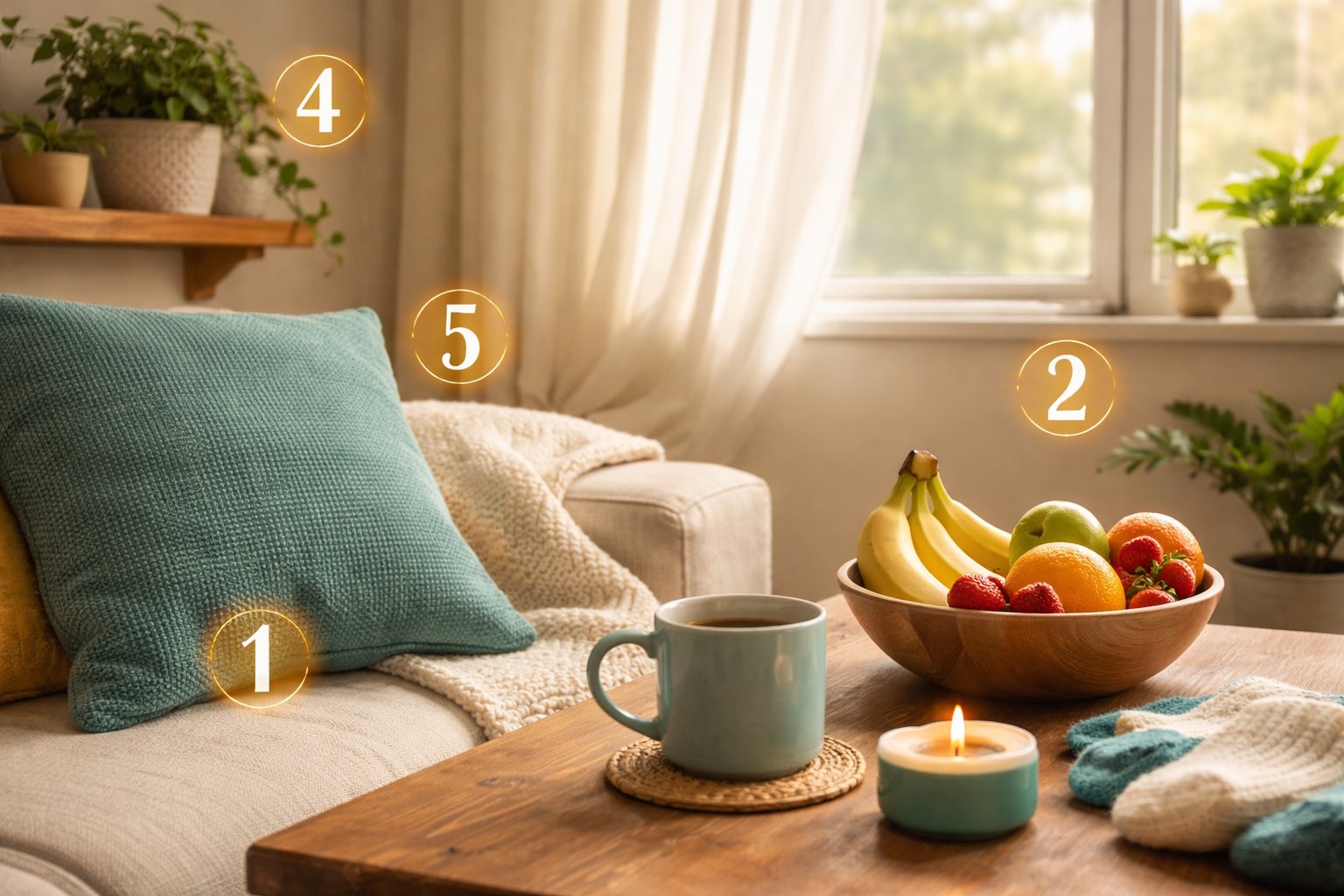
Tool 2: 5-4-3-2-1 Ground
This pulls your mind out of the worry spiral and back into the present moment. Look around you now and fill this in.
5
Things you can SEE
4
Things you can TOUCH
3
Things you can HEAR
2
Things you can SMELL
1
Thing you can TASTE
Phase 3 · Calm Toolkit
Tool 3: Your Safe Sentence
A personal anchor phrase you say to yourself when anxiety spikes. Choose one or write your own. (Required to continue.)
I have gotten through hard things before.
This feeling will pass. I am okay.
I am brave even when I am scared.
One step at a time. I can handle this.
— or write your own —
Phase 3 · Calm Toolkit
Toolkit Checkpoint
Let's lock in your three tools. Tap the best answer for each.
Box Breathing uses a count of…
✓ Breathe in 4, hold 4, out 4, hold 4. That's one complete round.
The 5-4-3-2-1 technique works by using your…
✓ Your senses anchor you in the present moment — pulling attention away from the worry loop.
A Safe Sentence is…
✓ It's personal, it's yours, and it works because you chose it yourself.
Benne Hart
Three tools. All yours. Next — we practice using them in real situations.
Phase 4 · Brave Steps
What Is a Brave Step?
Not jumping in the deep end. One toe at a time — always.
The Science Behind It
Graduated exposure — the approach behind brave steps — is one of the most evidence-supported methods for reducing anxiety in children. Every time you face a fear in a manageable way, your brain updates its threat assessment. Over time it learns: this situation is safer than I thought.
Benne Hart
Bravery isn't the absence of fear. It's taking the step while the fear is still there — because you trust that the step is worth taking.
Phase 4 · Scenario Lab 1 of 4
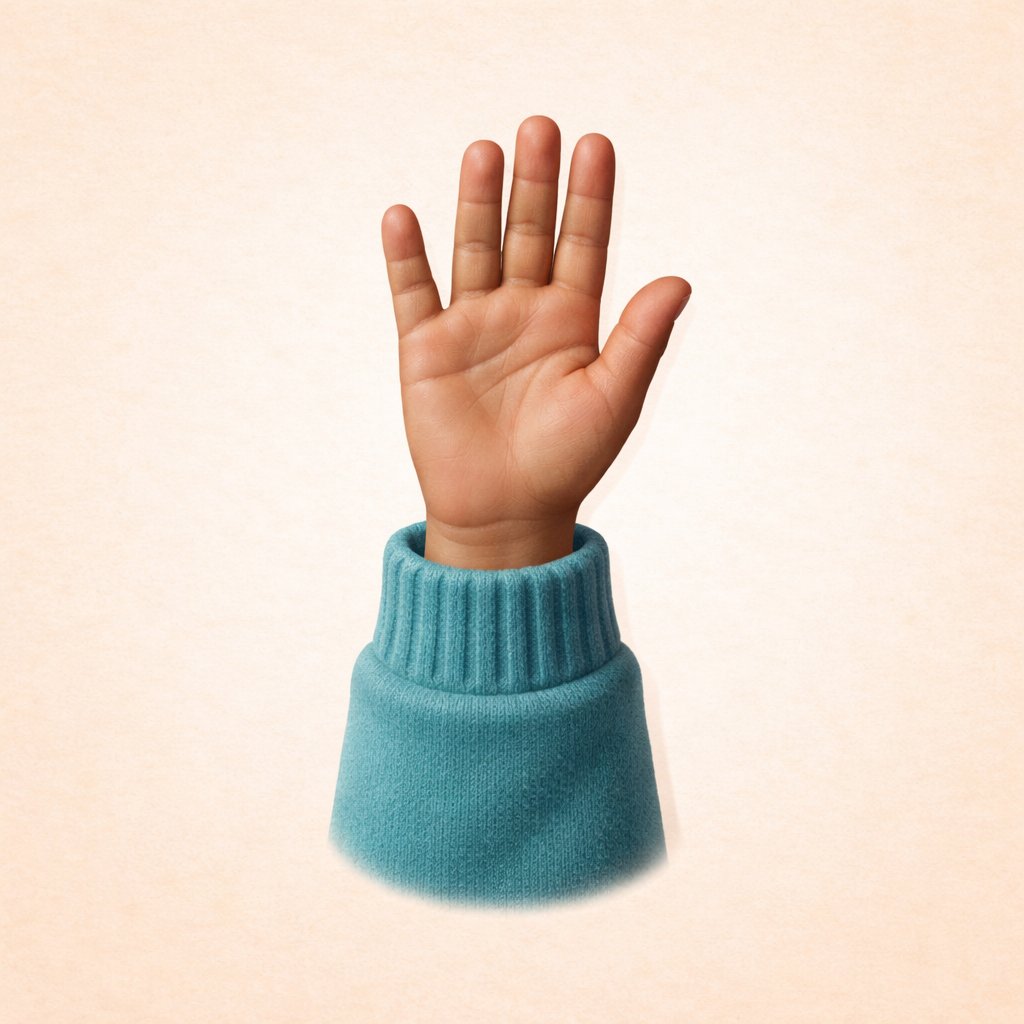
Scenario: Raising Your Hand
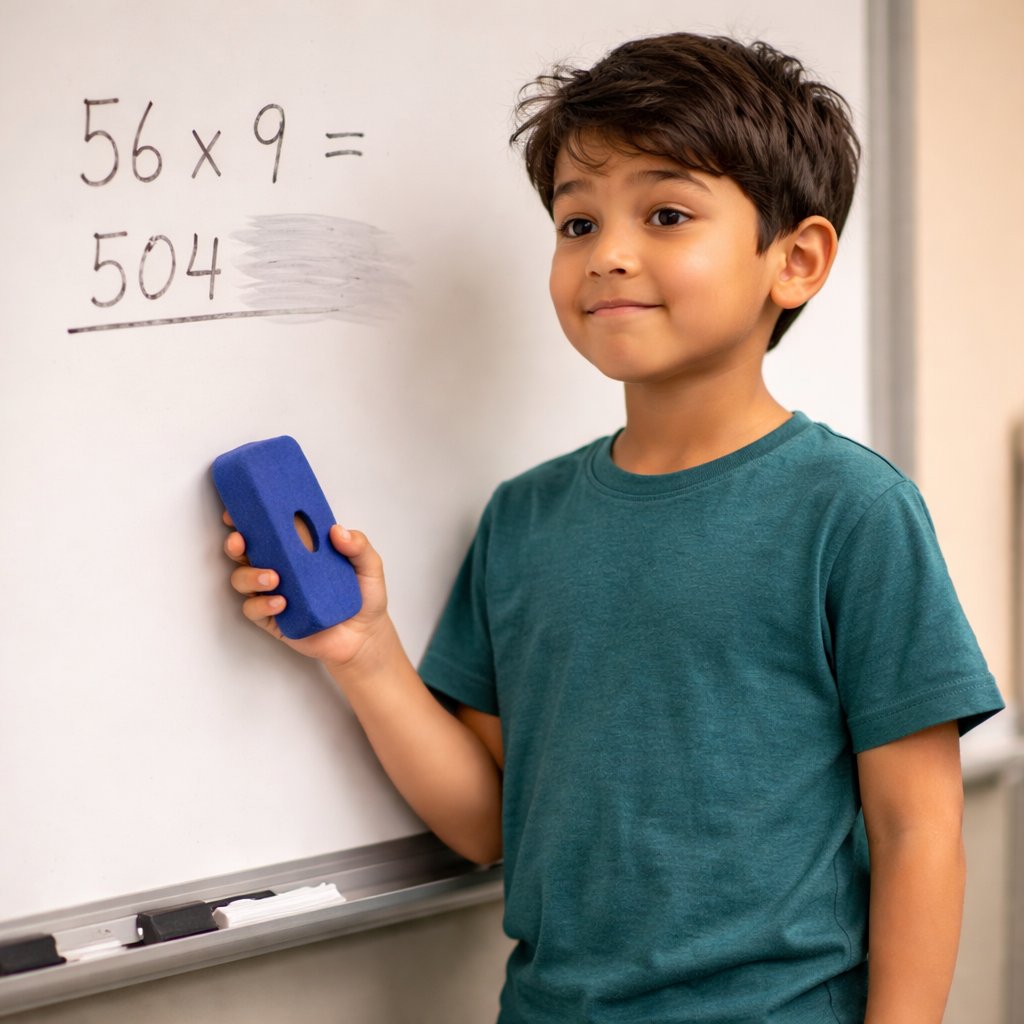
The teacher asks a question. You think you know the answer. Your heart starts beating faster. Your hand feels heavy. What do you do?
💭 Which choice felt most like what you'd really do? What would you want to try next time?
Benne Hart
Phase 4 · Scenario Lab 2 of 4
Scenario: Meeting Someone New
A kid you don't know looks at you and says "Hi." Your brain freezes. What do you do?
💭 Even a small smile counts as a brave step. What feels most doable for you right now?
Benne Hart
Phase 4 · Scenario Lab 3 of 4
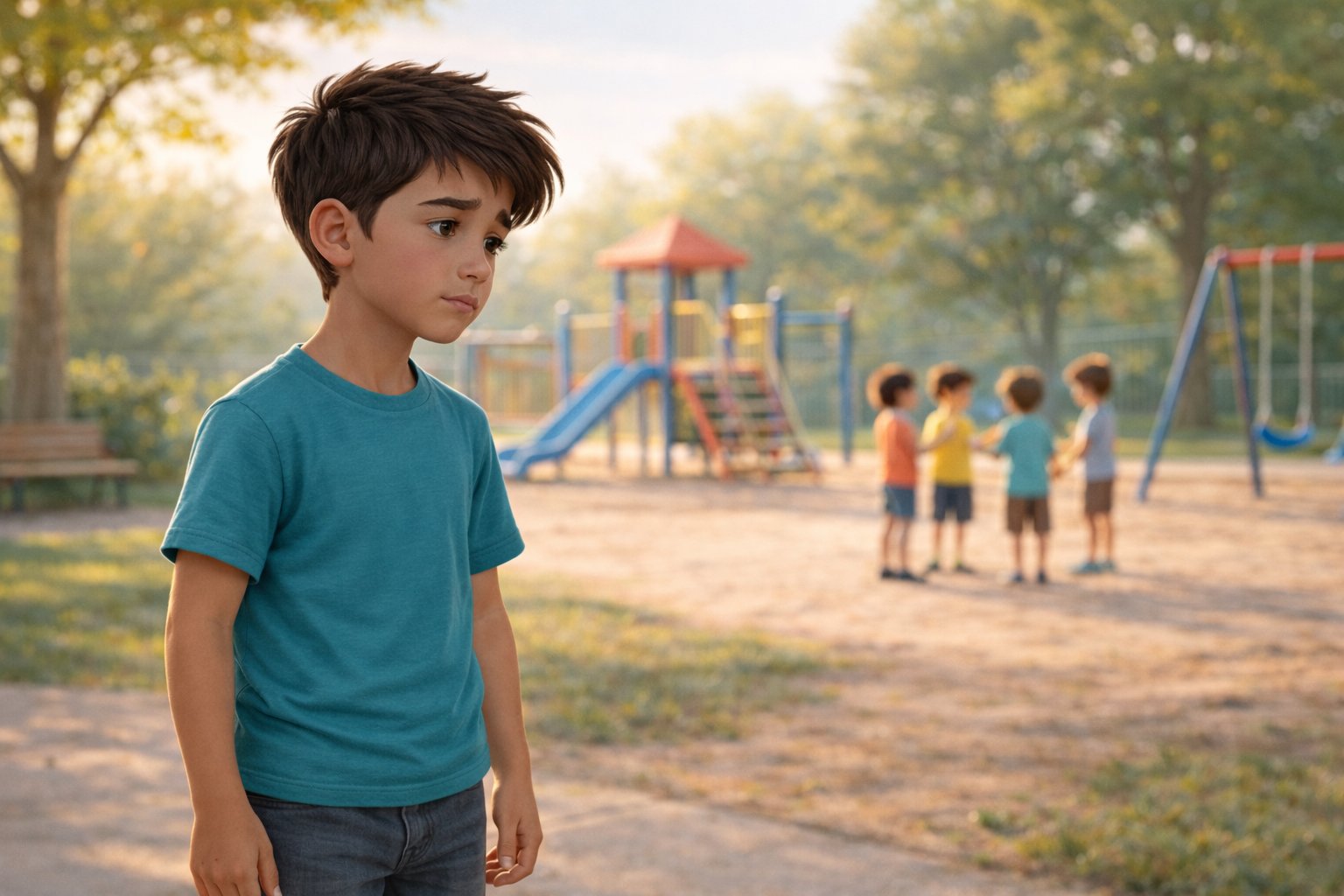
Scenario: Feeling Left Out
It's recess. A group of kids are playing nearby. You want to join — but they didn't invite you. You feel that familiar ache. What do you do?
💭 Feeling left out is one of the hardest feelings. Any step toward connection — even a small one — is genuinely brave.
Benne Hart
Phase 4 · Scenario Lab 4 of 4
Scenario: Making a Mistake
You answered a question wrong in class. You can feel your face going red. Everyone heard. What do you do next?
💭 Mistake recovery is one of the most important social skills — and almost nobody teaches it directly.
Benne Hart
Phase 4 · Brave Steps
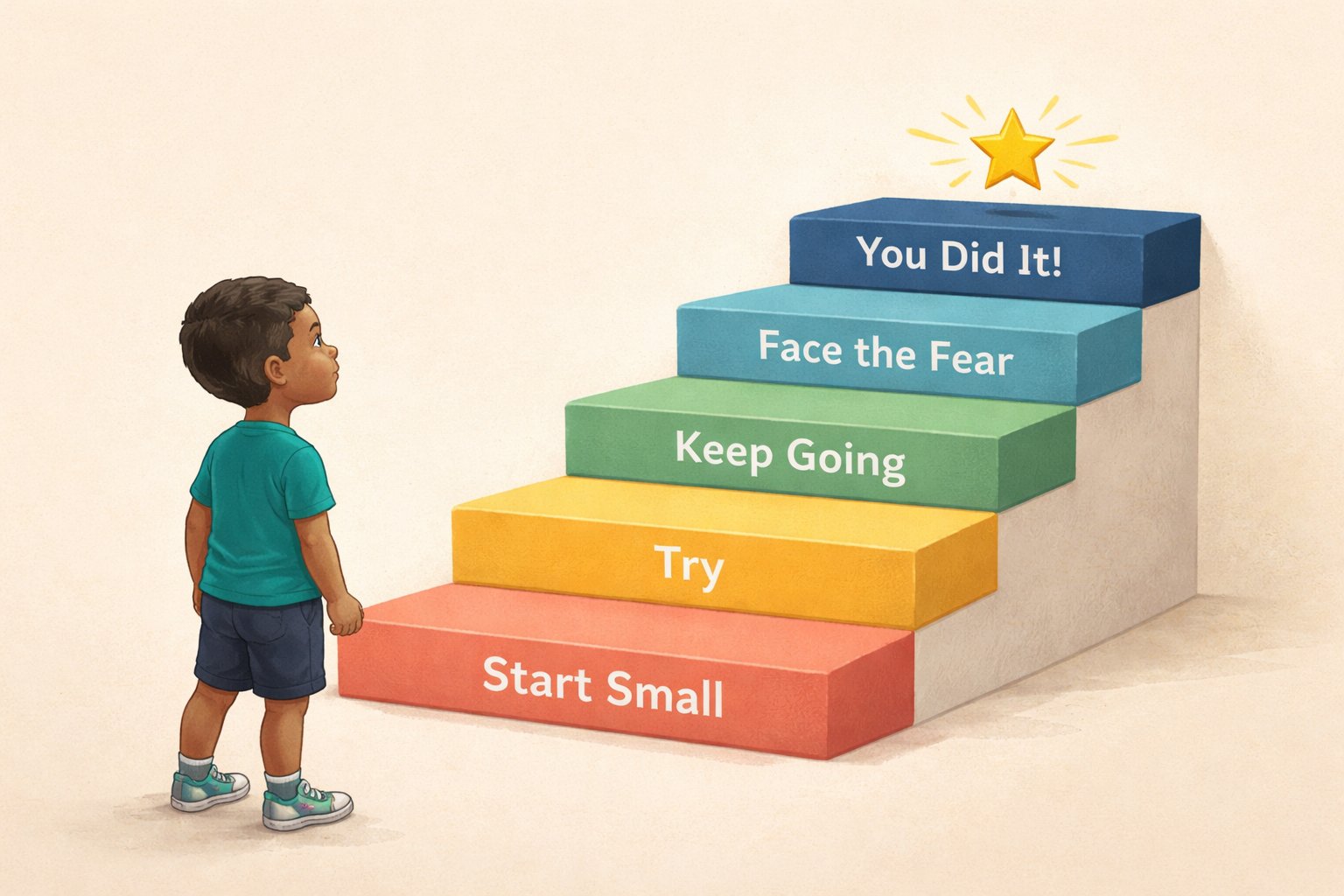
Build Your Brave Ladder
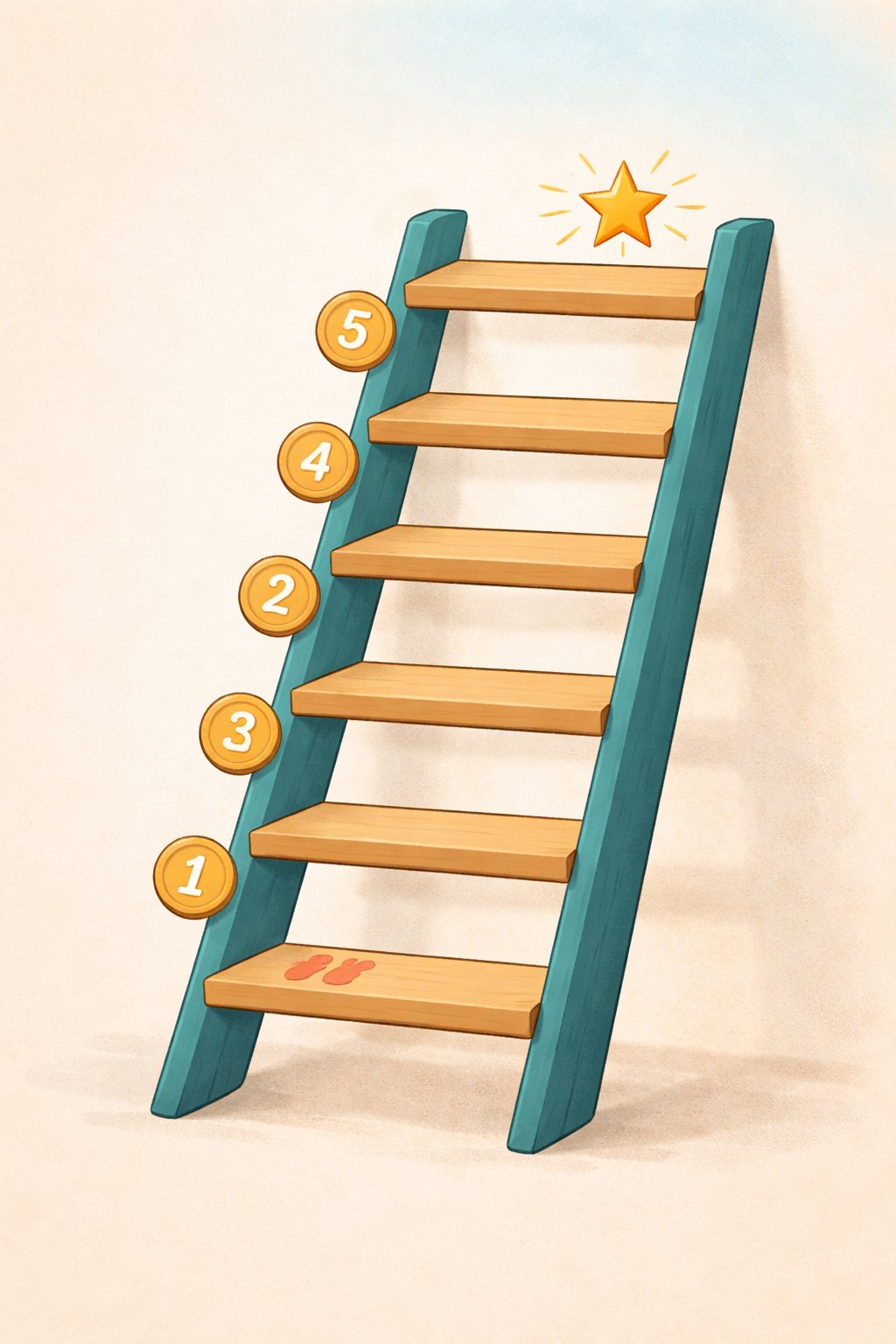
List 5 social challenges from smallest (Rung 1) to biggest (Rung 5). You must fill in Rung 1 to continue.
1
2
3
4
5
Phase 4 · Brave Steps
Your First Brave Step
Rung 1 of your ladder is your mission this week. Commit to trying it — not perfecting it.
Your Brave Step This Week
From your Brave Ladder, Rung 1:
—
Yes — I commit to trying this step this week. I don't need to be perfect. I just need to try.
Benne Hart
The decision to try IS the brave step. You've done something important just by writing it down and committing to it.
Phase 5 · Relationships
The Friendship Truth
Here's what anxiety never tells you about how friendships actually start.
What Real Friendships Look Like at the Start
Most friendships start awkward. That's normal. Nobody walks up to someone and feels instantly comfortable. Real friendship grows slowly — one slightly uncomfortable exchange at a time. Anxiety tells you that smoothness is required. It isn't.
❌ What anxiety says: "I need to be perfectly interesting and funny."
✓ What's actually true: "I just need to show up and be curious about the other person."
Phase 5 · Relationships
Conversation Starters That Work
Tap any card to star your favorites. These are real openers that don't require you to be clever or funny.
"What's your favorite thing to do after school?"
"Have you seen any good movies lately?"
"What's the hardest class for you this year?"
"Do you have any pets?"
"What are you really good at?"
"If you could go anywhere, where would you go?"
Tap a card to star it ★
Phase 5 · Relationships
When to Ask for Help
Normal nervousness fades on its own. Anxiety that stays and grows needs more support — and that's okay.
Normal nervousness — comes before something new or unfamiliar, then fades. Your toolkit handles this.
Frequent anxiety — comes up often and takes a while to settle. Use your tools and talk to a trusted adult about what you're noticing.
Anxiety affecting daily life — avoiding school, friends, or activities you care about. Please tell a trusted adult as soon as you can.
Who is one trusted adult in your life? (Required)
Benne Hart
Asking for help isn't a sign of weakness. It's a sign of wisdom. Every person who has ever gotten better at managing anxiety did it with support from someone they trusted.
Phase 5 · Relationships
A Note to Yourself
Write something honest and kind to the brave kid reading this later. (At least a few words required.)
I am proud of myself for...Something I want to remember...I am braver than I think...One thing I\'ll keep trying...
Phase 6 · Completion
Your Brave Check-In
Look at what used to feel impossible — and what you have now.
You've come so far. ✨
Before: Your Triggers
Loading...
Now: Your Tools
✓ Box Breathing
✓ 5-4-3-2-1 Ground
✓ Safe Sentence
✓ Thought Detective
✓ Brave Ladder
Benne Hart
You came in with triggers and no tools. You're leaving with tools for every single one of them. That is not a small thing.
Phase 6 · Completion
What You've Learned
Tap each one to reveal — personalized to what you shared.
1
What social anxiety actually is
It's your brain's alarm system firing around social situations — not a flaw, not permanent, and absolutely manageable. For you, it shows up in specific body areas and situations you identified.
2
How to calm your body first
Box Breathing and the 5-4-3-2-1 technique both work by turning down the alarm so your thinking brain can come back online. Use them before you try to reason through anything.
3
Your personal anchor sentence
Your safe sentence is your third toolkit tool — the one you say to yourself in the moment.
4
Your first real brave step
Your Brave Ladder is your roadmap for the coming weeks. Start with Rung 1 — that's the plan.
5
When and how to ask for help
Using your toolkit is brave. And knowing when you need more support — and having a trusted adult ready — is even braver.
Tap each one to reveal ↑
Phase 6 · Completion
Your Journey Complete
Every phase. Every screen. All of it.
✓ Welcome
✓ Understanding
✓ Thought Traps
✓ Calm Toolkit
✓ Brave Steps
★ Complete!
Benne Hart
You completed all 34 screens. That took real commitment. I'm genuinely proud of you.
Phase 6 · You Made It
🎉 Congratulations!
🌿
Brave Feelings Lab
Certificate of Completion
This certifies that
Brave Kid
has successfully completed
Social Anxiety Lab
Courage & Social Confidence Program
“I can do all things through him that strengtheneth me.” — Philippians 4:13, ASV
Benne Hart
Mentor · Brave Feelings Lab
You came in with anxiety and you're leaving with tools, knowledge, and a plan. Keep going — one brave step at a time.